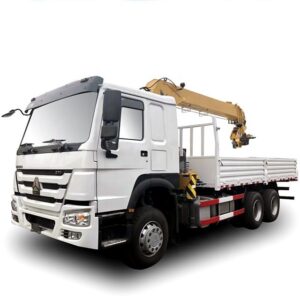

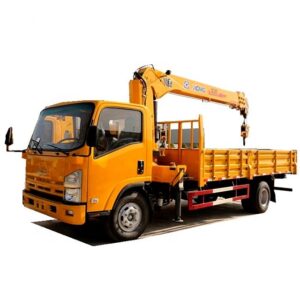
Truck-mounted cranes are essential for loading, unloading, transporting and positioning materials across construction, logistics and industrial environments.
Their versatility makes them valuable assets — but safe operation starts with the right knowledge and skills!
WHAT DOES THE TRAINING FOCUS ON?
🔹 Crane components, controls and functions
🔹 Vehicle positioning and stabilisation
🔹 Outriggers and ground condition awareness
🔹 Load charts and lifting capacity
🔹 Pre-use inspections and defect reporting
🔹 Safe lifting, lowering and load placement
🔹 Hazard identification and emergency procedures
🎯 IDEAL FOR: Transport companies, construction contractors, logistics teams and industrial lifting personnel.
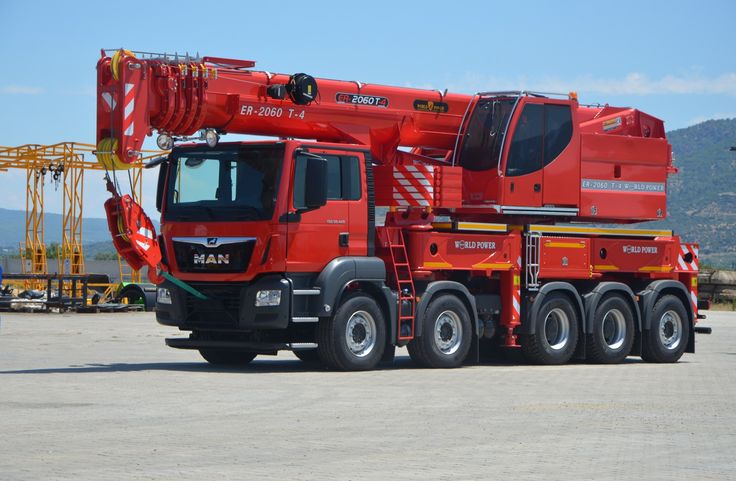
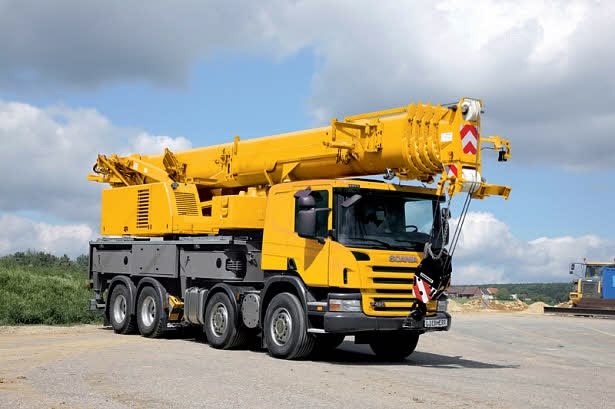
When it comes to major lifting operations, mobile cranes are powerful tools across construction, mining, infrastructure and industrial projects.
Safe operation demands an understanding of crane stability, lifting limits, ground conditions and the environment in which the crane operates.
WHAT DOES THE TRAINING FOCUS ON?
🔹 Crane components and operating principles
🔹 Safe setup, positioning and stability
🔹 Load charts, lifting radius and capacity
🔹 Ground conditions and stabilisation
🔹 Lifting plans and exclusion zones
🔹 Environmental hazards and overhead obstructions
🔹 Communication, signalling and emergency response
🎯 IDEAL FOR: Construction companies, mining operations, engineering contractors and industrial lifting teams.
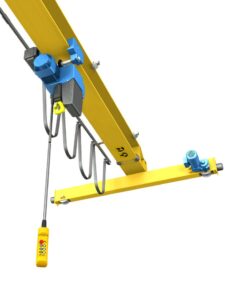
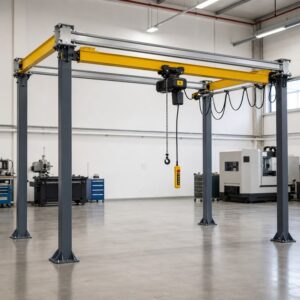
In factories, workshops and production facilities, pendant-controlled overhead cranes help move materials efficiently through designated work areas.
Operators use a suspended push-button control pendant to control crane movements. Understanding these controls and following the correct procedures are essential to safe lifting.
WHAT DOES THE TRAINING FOCUS ON?
🔹 Crane components and pendant controls
🔹 Pre-use inspections and safety checks
🔹 Hoisting, lowering and load positioning
🔹 Safe lifting limits and load handling
🔹 Preventing swinging loads and collisions
🔹 Communication with ground personnel
🔹 Emergency stops and safe shutdown procedures
🎯 IDEAL FOR: Manufacturing employees, warehouse teams, workshop operators and production personnel.
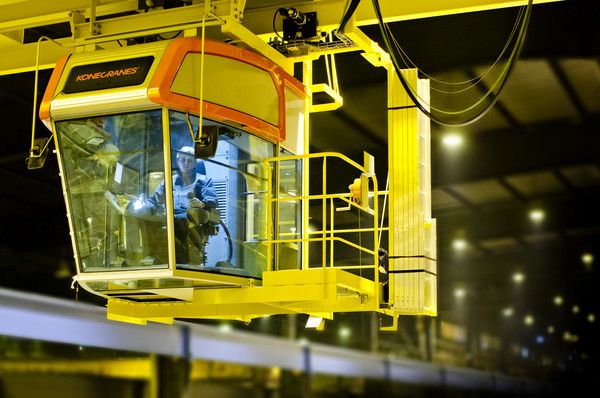
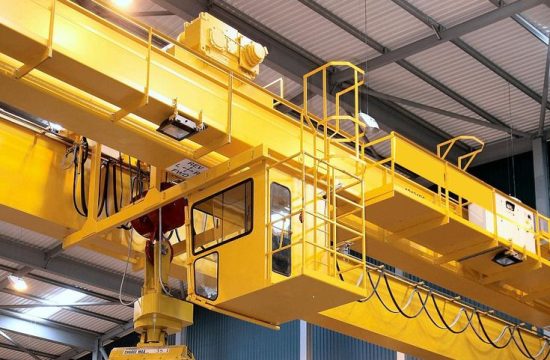
Cab-controlled overhead cranes are used in large industrial environments to move heavy materials with controlled, coordinated movements.
Operating from an elevated cabin requires concentration, a clear understanding of the controls and awareness of people, equipment and hazards within the lifting area.
WHAT DOES THE TRAINING FOCUS ON?
🔹 Crane cab controls and operating systems
🔹 Pre-operational checks and inspections
🔹 Safe lifting capacities and load handling
🔹 Hoisting, trolley travel and bridge movement
🔹 Operator visibility and communication
🔹 Hazard identification and safe working zones
🔹 Emergency procedures and shutdown requirements
🎯 IDEAL FOR: Steel manufacturing facilities, heavy industrial plants, engineering workshops and large production environments.
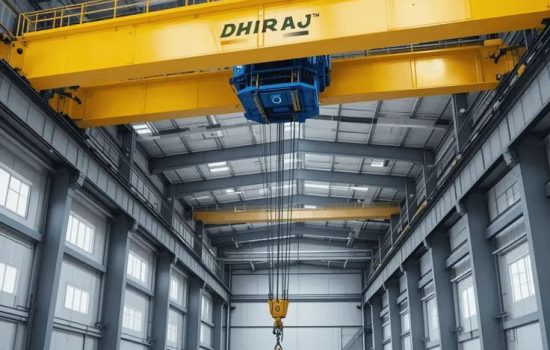
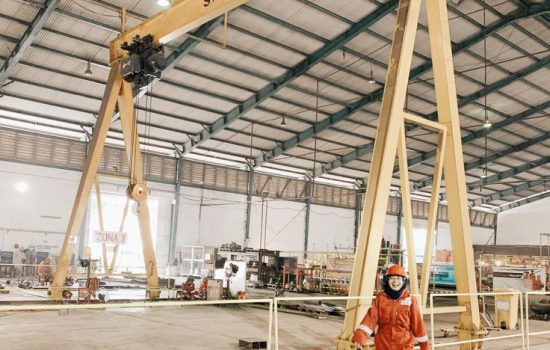
Gantry cranes are widely used in industrial yards, fabrication workshops, warehouses and manufacturing environments to lift and transport heavy materials.
Understanding crane movement, load capacity, working conditions and safe operating procedures is vital to preventing incidents and maintaining efficient operations.
WHAT DOES THE TRAINING FOCUS ON?
🔹 Gantry crane components and operating principles
🔹 Travel controls and crane movement
🔹 Safe load attachment and handling awareness
🔹 Load stability and lifting capacity
🔹 Pre-use inspections and defect identification
🔹 Pedestrian safety and exclusion zones
🔹 Safe operating practices and emergency response
🎯 IDEAL FOR: Fabrication companies, industrial yards, manufacturing facilities, warehouses and materials-handling teams.
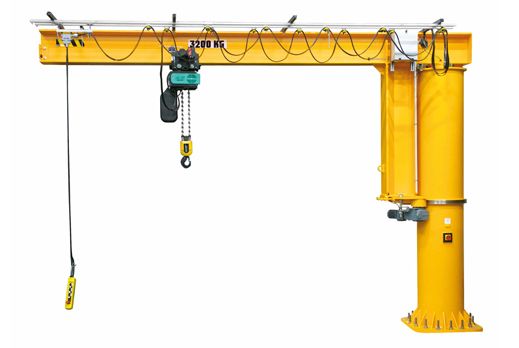
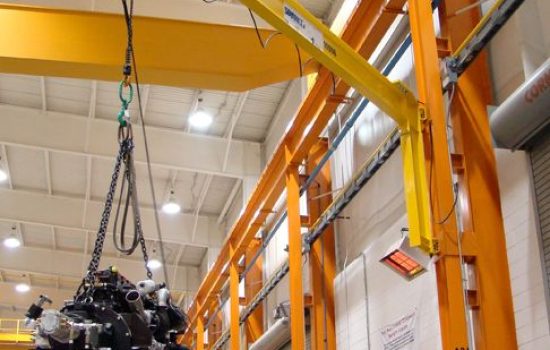
Jib cranes are commonly found in workshops, assembly lines, production areas and maintenance facilities. Their rotating boom allows loads to be lifted and positioned within a defined working area.
Although jib cranes are often smaller than other crane types, they still require careful operation, proper inspections and an understanding of load limits.
WHAT DOES THE TRAINING FOCUS ON?
🔹 Jib crane components and controls
🔹 Pre-use inspections and operational checks
🔹 Safe lifting and load attachment awareness
🔹 Working radius and load limits
🔹 Controlled rotation and load positioning
🔹 Hazard identification around the lifting area
🔹 Safe shutdown and defect reporting
🎯 IDEAL FOR: Engineering workshops, maintenance teams, assembly lines and manufacturing businesses.
A well-trained workforce is an important part of a safe and productive workplace.
The right training can help organisations build knowledge, improve hazard awareness and encourage responsible equipment operation.
✅ SUPPORT SAFER OPERATIONS
Help employees recognise hazards and understand safe working procedures.
✅ BUILD KNOWLEDGE & COMPETENCE
Develop an understanding of crane controls, operating limits and lifting principles.
✅ PROMOTE PROPER INSPECTIONS
Emphasise the importance of checking equipment and reporting defects.
✅ IMPROVE TEAM COMMUNICATION
Encourage clear communication between operators, riggers, banksmen and supervisors.
✅ SUPPORT WORKPLACE COMPLIANCE
Help employers address relevant training and competency requirements.
✅ STRENGTHEN OPERATIONAL EFFICIENCY
Promote better planning, responsible equipment use and safer working practices.
REMEMBER: SAFETY IS NOT AN ACCIDENT. IT IS A COMMITMENT!
Give your workforce the opportunity to develop the knowledge and skills needed for safer lifting operations
SKILLS TODAY • SAFER TOMORROW
🚧 TRAIN SMART. LIFT SAFE. BUILD COMPETENCE.
Because behind every successful lift is a team that understands the importance of safety!